Modern life often feels strange.
Events move quickly.
Contradictions appear more often than expected.
People repeat ideas that feel… familiar.
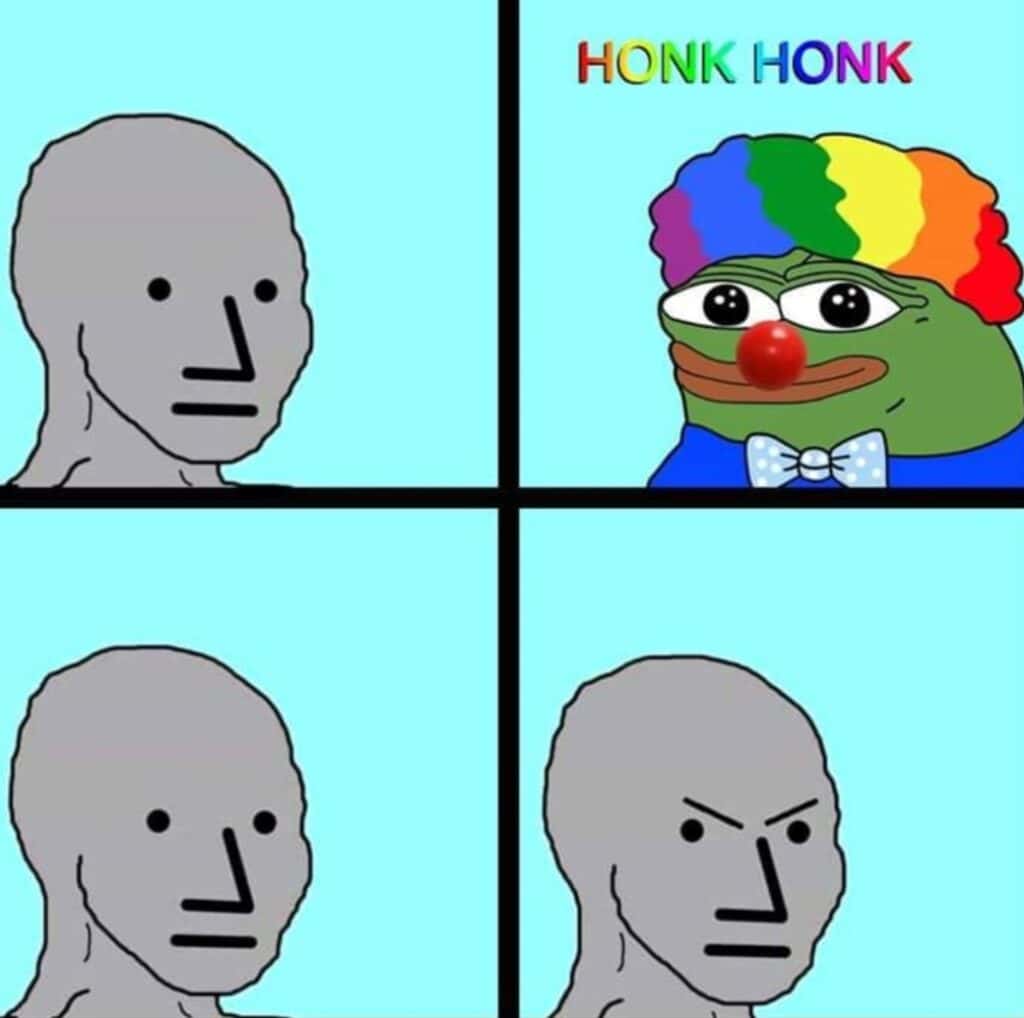
Some internet culture jokingly calls this “clown world” — moments where reality seems upside down.
The term NPC (non-player character) comes from video games. It’s sometimes used to describe behaviour that appears scripted rather than consciously chosen.
But this isn’t really about labels.
However, it does raise an interesting question:
How much of human thinking is actually automatic?
More than most people realise… and more than most people notice.
Automatic Behaviour
Humans rely heavily on:
- habits
- patterns
- learned responses
- social conditioning
Much of what people think, say, and do is not consciously chosen in the moment — it’s repeated.
Philosophers have noticed this for a long time.
- George Gurdjieff described people as living in a kind of “waking sleep”
- Friedrich Nietzsche referred to herd mentality
- Carl Jung explored how much behaviour comes from unconscious patterns
- Aristotle — humans as “political animals” shaped by society
- Plato — Allegory of the Cave (perception shaped by limited experience)
- Robert Anton Wilson — “I don’t believe anything, but I have many suspicions”
This isn’t criticism.
It’s observation. It’s simply noticing what’s already there.
NPCs
In games, NPCs follow scripts.
In life, people sometimes do the same.
- repeating ideas
- reacting predictably
- following social patterns
However… this applies to everyone, at least some of the time. Including all of us.
The difference is awareness. The difference is whether you notice it.

Clown World
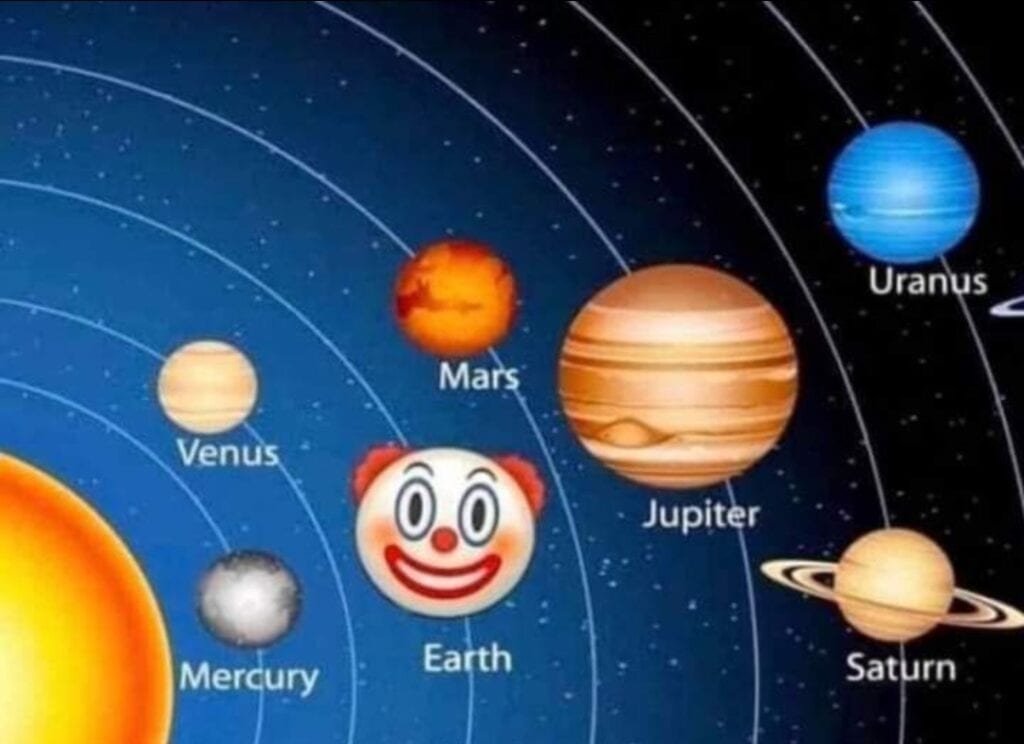
“Clown world” is a humorous way of describing something more serious: moments where reality feels contradictory, unstable, or slightly absurd.
Sometimes called:
- “peak honk”
- or more formally, post-normal times
Analysts often point to things like:
- the Global Financial Crisis
- the COVID-19 pandemic
- rapid AI and technological disruption
- increasing automation
- geopolitical instability
Periods defined by:
- complexity
- chaos
- contradiction
Where:
- narratives shift
- trust fluctuates
- things don’t always align neatly

The Shift
At some point, people begin to notice. For some people, something changes.
They question more.
They observe patterns.
They become aware of their own thinking.
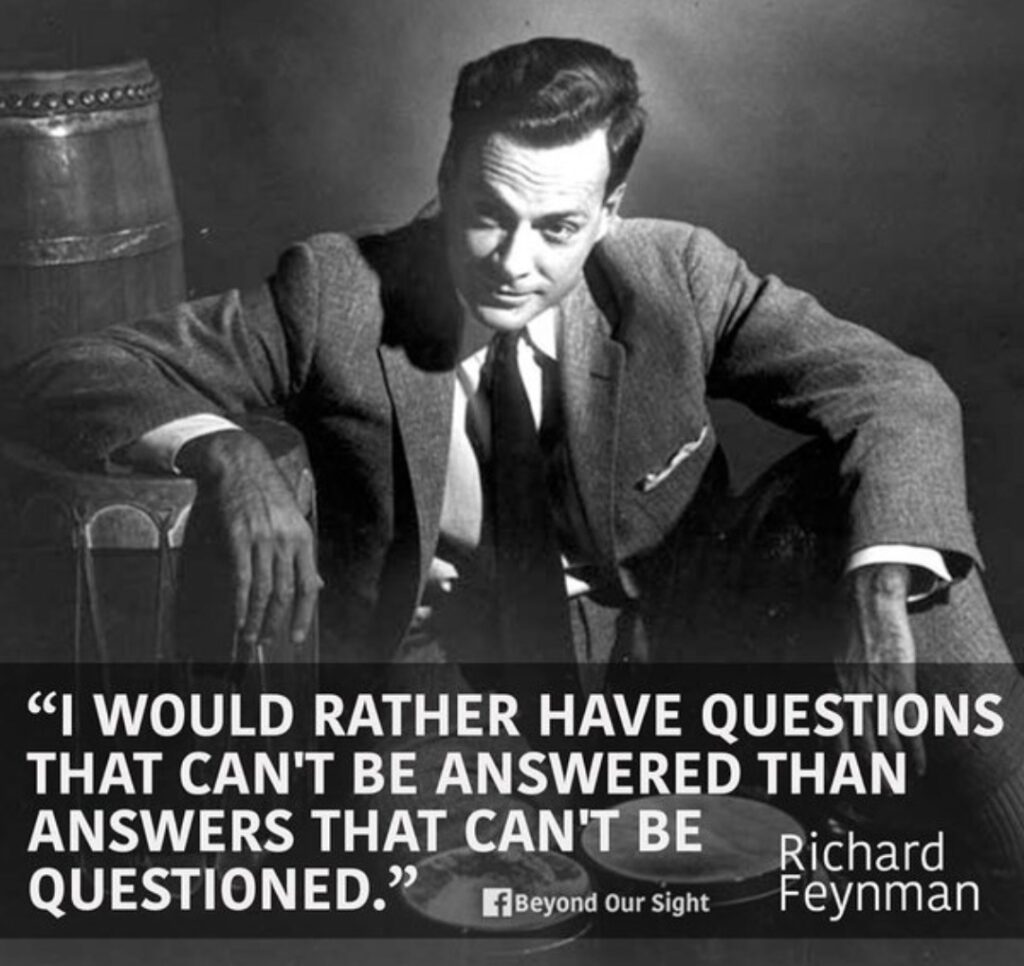
I would rather have questions that can’t be answered than answers that can’t be questioned.
The Swing
Awareness doesn’t automatically bring clarity. It often creates tension.
Most people don’t move from comfort to clarity in a straight line.
They begin to notice things… and then swing between perspectives. One moment, everything feels possible. The next, everything feels broken. Back and forth.
This isn’t failure — it’s what happens when awareness arrives before understanding.
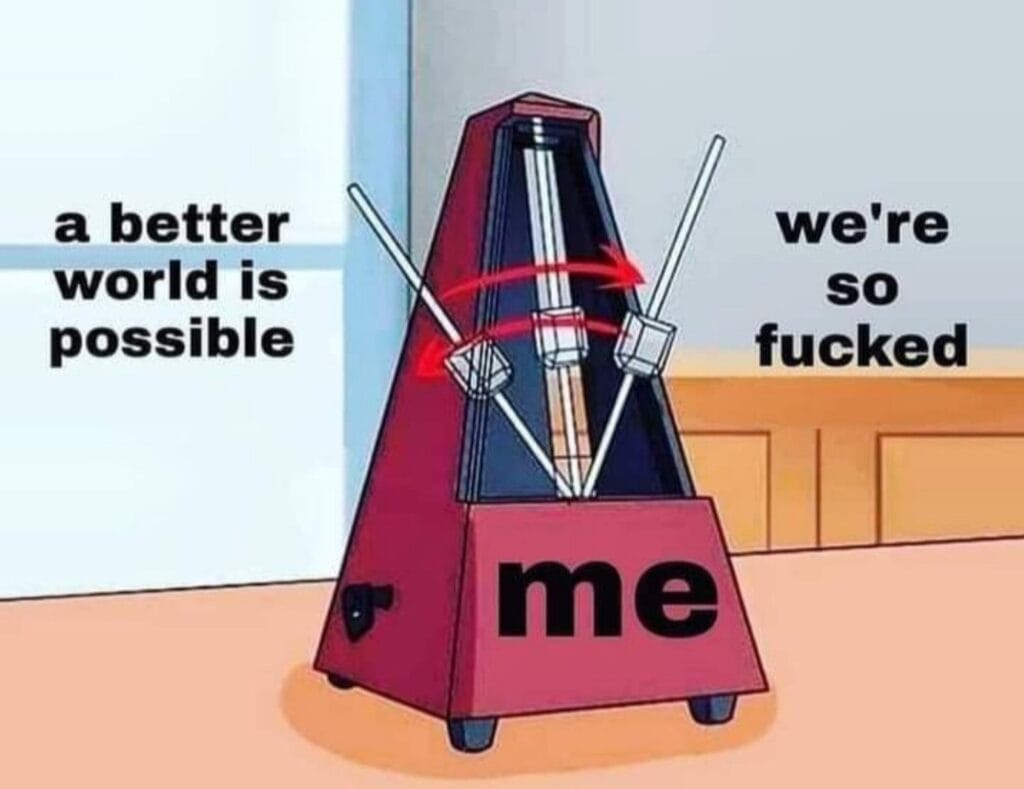
People begin to swing between:
- “A better world is possible”
- “Everything is broken”
Back and forth.
Faster and faster.
The Ladder
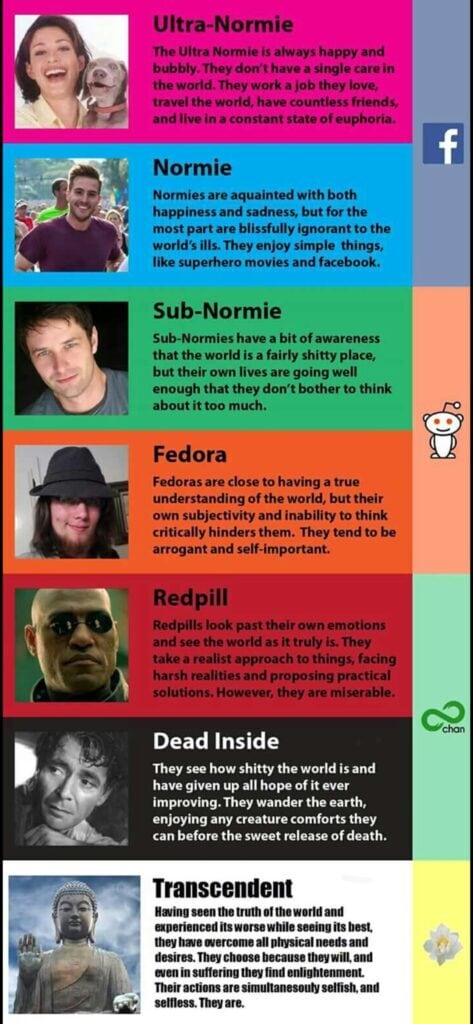
A simplified version of how people often move:
- Comfort
- Awareness
- Cynicism
- Overwhelm
And sometimes:
- detachment
But something is missing.
Integration
Between awareness and transcendence sits a quieter stage.
Often overlooked.
This stage means:
- seeing clearly
- staying grounded
- acting anyway
Not:
- blind optimism
- or collapse into negativity
But:
“The world is complex… however, I still choose how I think, act, and respond.”
This idea appears in philosophies such as:
- Stoicism (Marcus Aurelius, Epictetus)
- performance psychology
- modern behavioural science
Apocaloptimist
A useful way of describing this position especially during these clown world times.
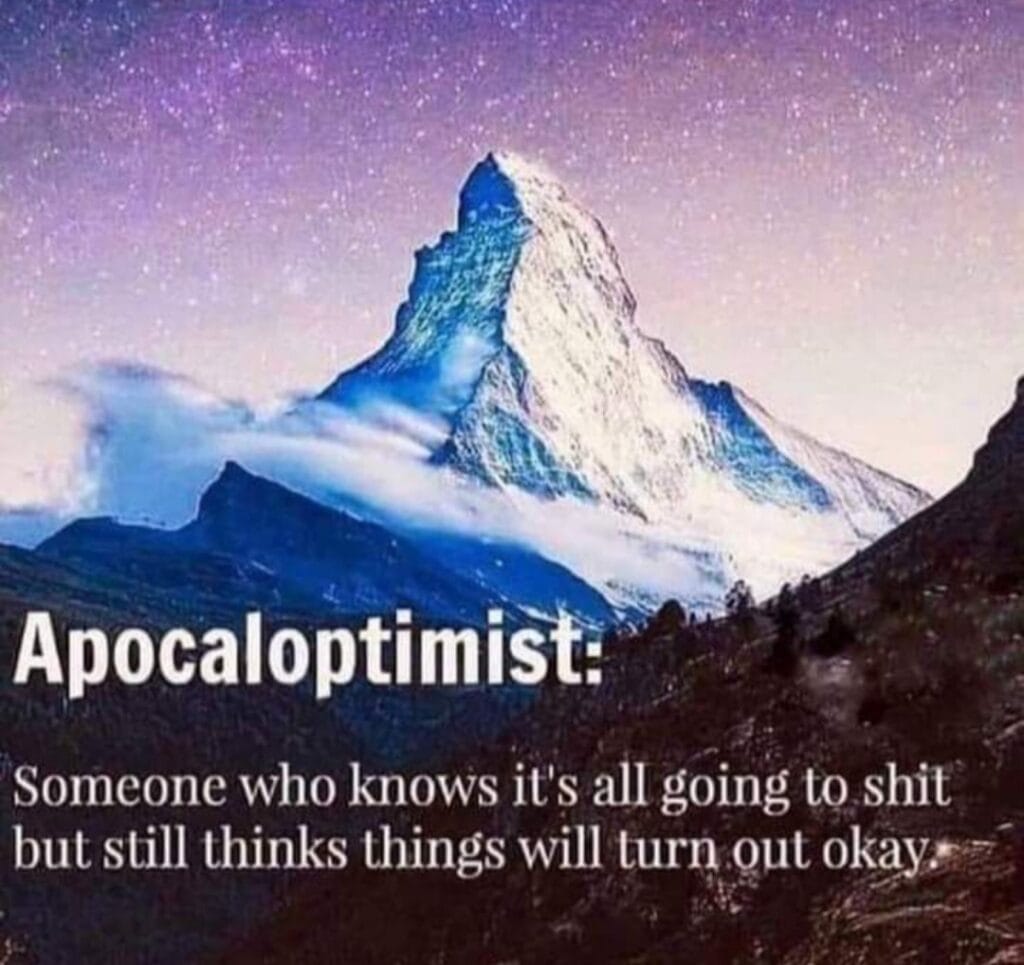
Seeing problems clearly.
But not becoming them.
Thinking independently.
But still acting constructively.
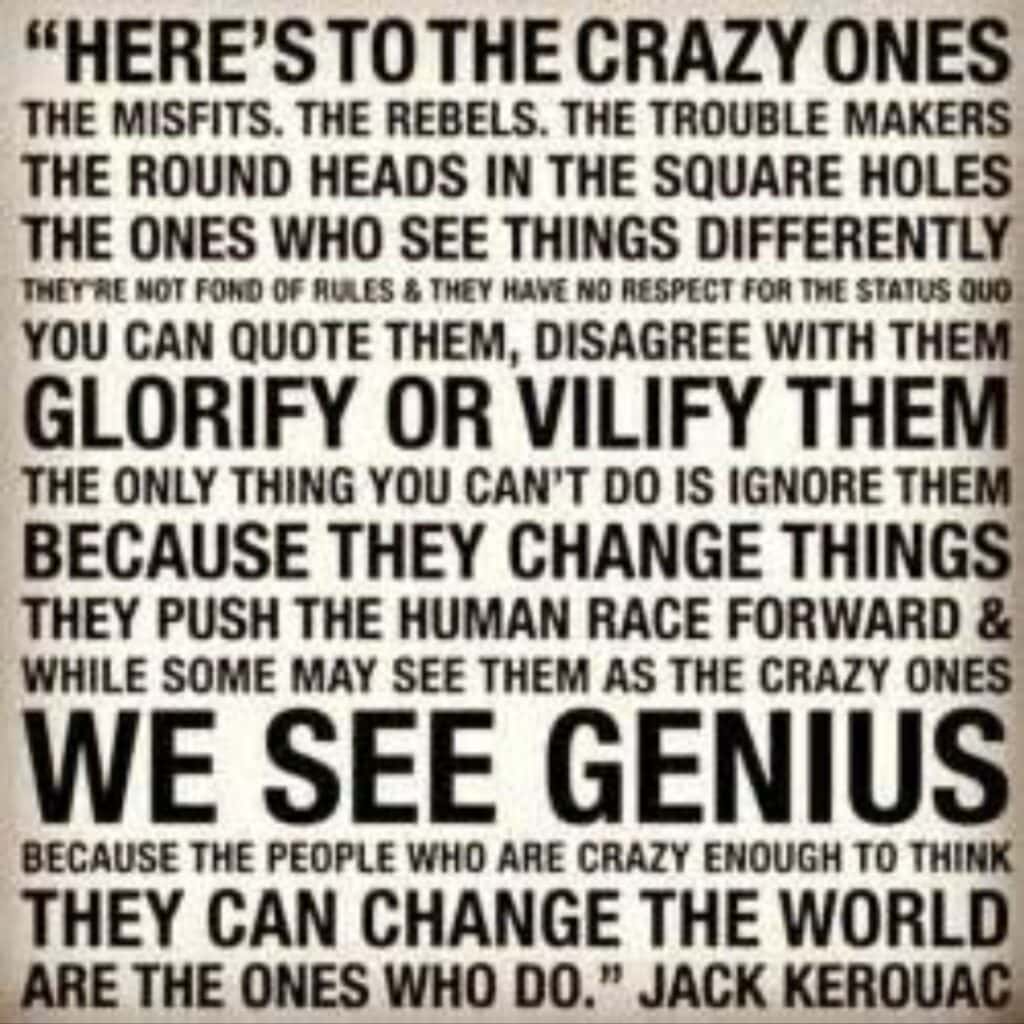
Thinking Differently
Some people follow patterns.
Some people question them.
Some people step outside them.
Permission
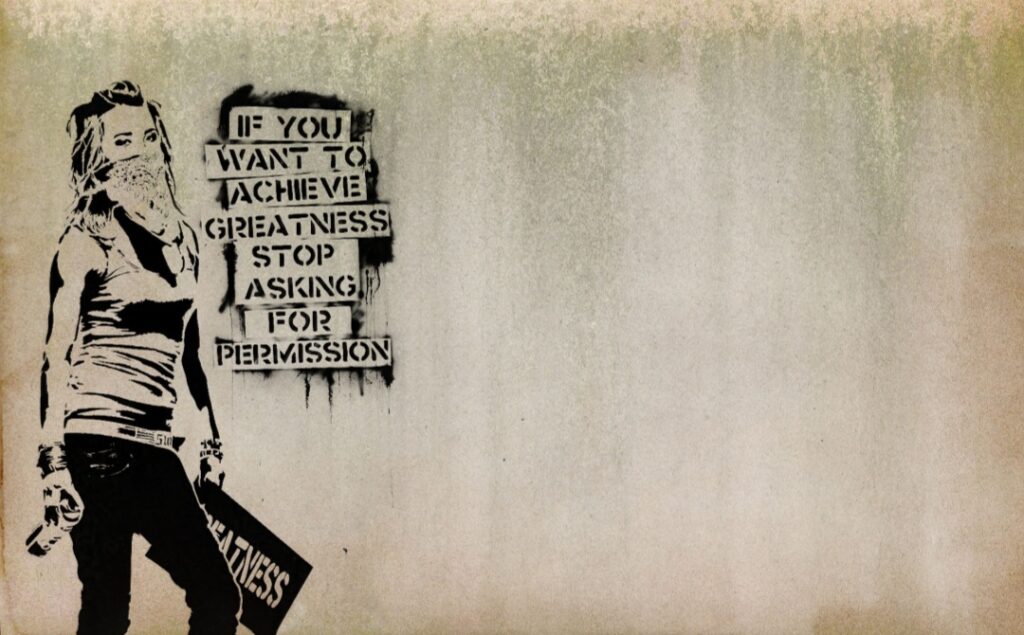
You don’t need permission to think differently. Especially in Clown World.
However…
Awareness alone isn’t enough. Because awareness without control leads to:
- overthinking
- doubt
- hesitation
- inconsistency
Direction
The goal isn’t just to see clearly. It’s to:
- think clearly
- act deliberately
- remain stable under pressure
This is where:
- Inner Voice Awareness
- Flow State
- attention Control becomes useful. Not as theory — but as something practical you can apply.
A Final Thought
Some people are comfortable.
Some become cynical.
Most move between the two.
There is another option.
See clearly.
Think independently.
Act anyway.
And one more thing…
If you found this page…
You’re probably not an NPC. You’re probably not just running on autopilot.
07807 540142
If you’d like to explore this further, you’re very welcome to get in touch.
Book Your Session
Ask a Question