Mind–Body therapy recognises that thoughts, emotions, behaviour, and physical responses are deeply connected.
When stress, anxiety, or emotional patterns persist, they don’t just affect the mind — they influence sleep, energy, confidence, focus, and overall wellbeing.
I work with clients in Reading, Didcot, and online, using an integrative coaching approach that combines psychology, mind–body techniques, and practical change strategies to help restore balance and improve how you feel, think, and function.
Many clients notice meaningful shifts within just a few sessions.
MAIL@THEEXCELPRACTICE.COM OR CALL 07807 540142
Book Your Session
Ask a Question
What Is Mind–Body Therapy?
Mind–Body therapy is an integrative approach that works with the interaction between mental processes and physical states.
Rather than focusing on symptoms alone, this approach explores:
- How stress and emotion affect the nervous system
- How subconscious patterns influence behaviour
- How the body holds emotional and psychological responses
By working at both a mental and physiological level, change becomes more natural, sustainable, and grounded in real experience rather than willpower alone.
What Is Integrative Coaching?
Integrative coaching brings together multiple evidence-based approaches rather than relying on a single method.
Sessions are tailored to you and may draw from:
- Psychology and Positive Psychology
- Hypnotherapy
- NLP (Neuro-Linguistic Programming)
- Mind–body regulation techniques
- Behavioural and lifestyle change strategies
This allows us to work flexibly — addressing the root of an issue rather than forcing a one-size-fits-all solution.
Why the Mind–Body Connection Matters
When the nervous system is under prolonged stress, the body can remain in a state of constant alertness. Over time, this may contribute to:
- Anxiety and overthinking
- Sleep problems and fatigue
- Emotional overwhelm or burnout
- Reduced confidence and motivation
Mind–Body work helps calm these stress responses, allowing the system to shift out of survival mode and into a state where clarity, regulation, and growth are possible.
Positive Psychology Within a Mind–Body Framework
Positive Psychology plays an important role within integrative Mind–Body coaching.
While traditional psychology often focuses on understanding problems, Positive Psychology focuses on what helps people function well and thrive.
Within a Mind–Body approach, this includes:
- Developing emotional regulation and resilience
- Strengthening existing capabilities and resources
- Increasing engagement, meaning, and fulfilment
- Supporting wellbeing at both psychological and physiological levels
This strengths-based focus often leads to quicker and more noticeable improvements, particularly when combined with nervous-system regulation.
Approaches Used in Mind–Body & Integrative Coaching Sessions
Mind–Body coaching is collaborative and practical. Depending on your needs, sessions may include:
- Hypnotherapy – working with subconscious patterns and emotional responses
- NLP – changing habitual thought, behaviour, and perception patterns
- Breathing & regulation techniques – calming the nervous system
- EFT (Emotional Freedom Techniques) – reducing emotional intensity
- Mindfulness & guided attention – improving awareness and regulation
- Lifestyle support – sleep, movement, recovery, and stress management
Each session is focused on creating meaningful, real-world change.
Key Psychological & Mind–Body Influences
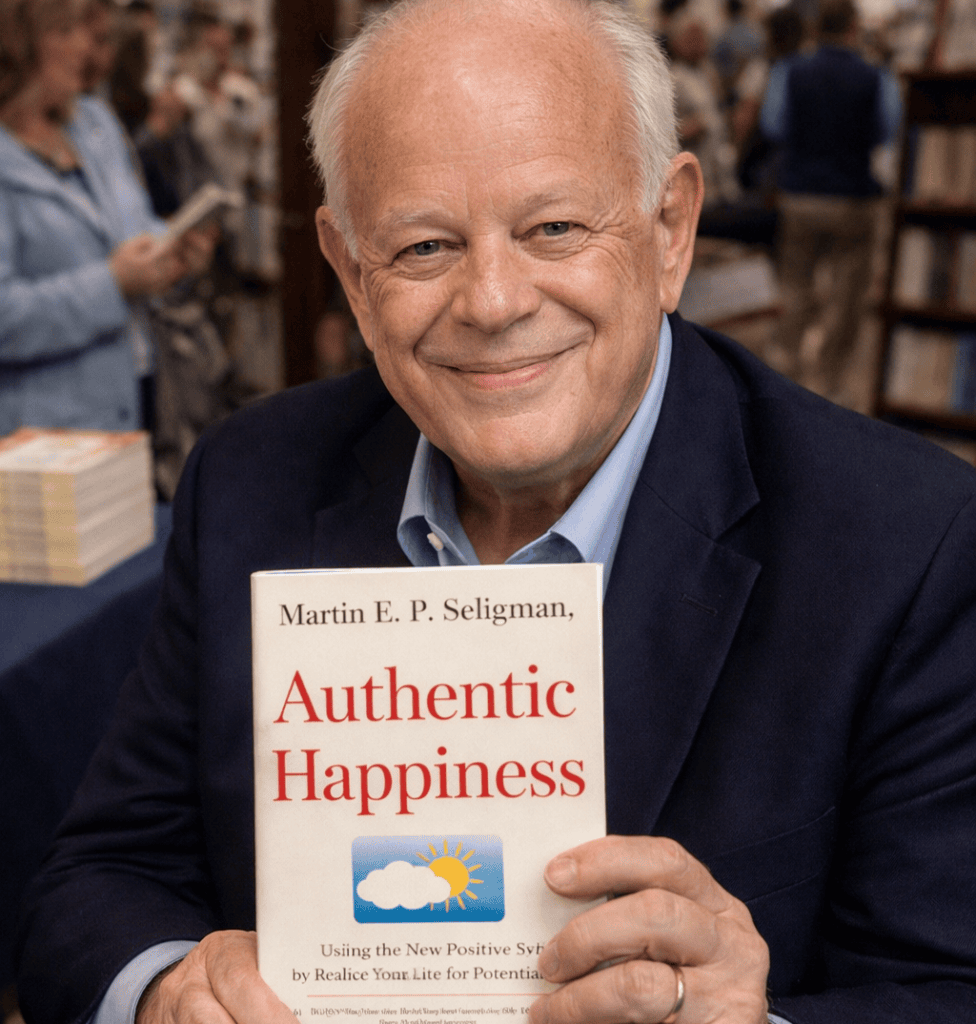
Martin Seligman – Strengths & Learned Patterns
Founder of Positive Psychology and author of Authentic Happiness, Martin Seligman shifted psychology’s focus toward human strengths, wellbeing, and meaning.
His work on learned helplessness shows how unhelpful emotional and behavioural patterns can be learned — and importantly, unlearned. Mind–Body coaching addresses these patterns by working with both belief systems and physiological responses.
Mihaly Csikszentmihalyi – Flow & Engagement
Mihaly Csikszentmihalyi introduced the concept of Flow — a state of deep focus where attention, emotion, and bodily awareness align.
Flow is associated with:
- Reduced anxiety
- Increased fulfilment
- Improved clarity and performance
Mind–Body approaches help people access flow not only during enjoyable activities, but also during everyday tasks by shifting internal state and attention.
Abraham Maslow – Needs & Self-Actualisation
Maslow’s hierarchy of needs highlights how basic physiological and emotional safety underpin confidence, growth, and fulfilment.
When stress disrupts these foundations, the body remains in a heightened state. Mind–Body coaching helps restore balance so higher-level growth can occur naturally.
Within NLP, a related framework called Neuro-Logical Levels may also be used:
- Environment
- Behaviour
- Capabilities
- Beliefs & Values
- Identity
- Purpose / Meaning
Barbara Fredrickson – Positive Emotion & Resilience
Barbara Fredrickson’s Broaden-and-Build Theory shows how positive emotional states expand awareness and behavioural flexibility.
From a Mind–Body perspective, positive emotions:
- Reduce physiological stress responses
- Improve adaptability and resilience
- Support long-term wellbeing
These states emerge naturally as the nervous system becomes more regulated.
What Mind–Body & Integrative Coaching Can Help With
This approach may be helpful if you’re experiencing:
- Anxiety or chronic stress
- Overthinking or mental exhaustion
- Sleep difficulties or insomnia
- Low confidence or self-esteem
- Emotional overwhelm or burnout
- Focus or performance issues
You may also want to explore:
- Hypnotherapy for Anxiety
- Overthinking & Racing Thoughts
- Insomnia & Sleep Support
Sessions, Locations & Online Support
Sessions are available in Reading, Didcot, and online via secure video call.
All sessions are confidential, professional, and tailored to your needs.
MAIL@THEEXCELPRACTICE.COM OR CALL 07807 540142
Book Your Session
Ask a Question
Frequently Asked Questions
Is this therapy or coaching?
It’s an integrative approach that blends coaching, psychology, and therapeutic techniques depending on your needs.
Do I need to believe in hypnosis or psychology for this to work?
No. The focus is on practical experience and regulation, not belief.
How many sessions will I need?
This varies, but many clients notice meaningful shifts within a small number of sessions.